
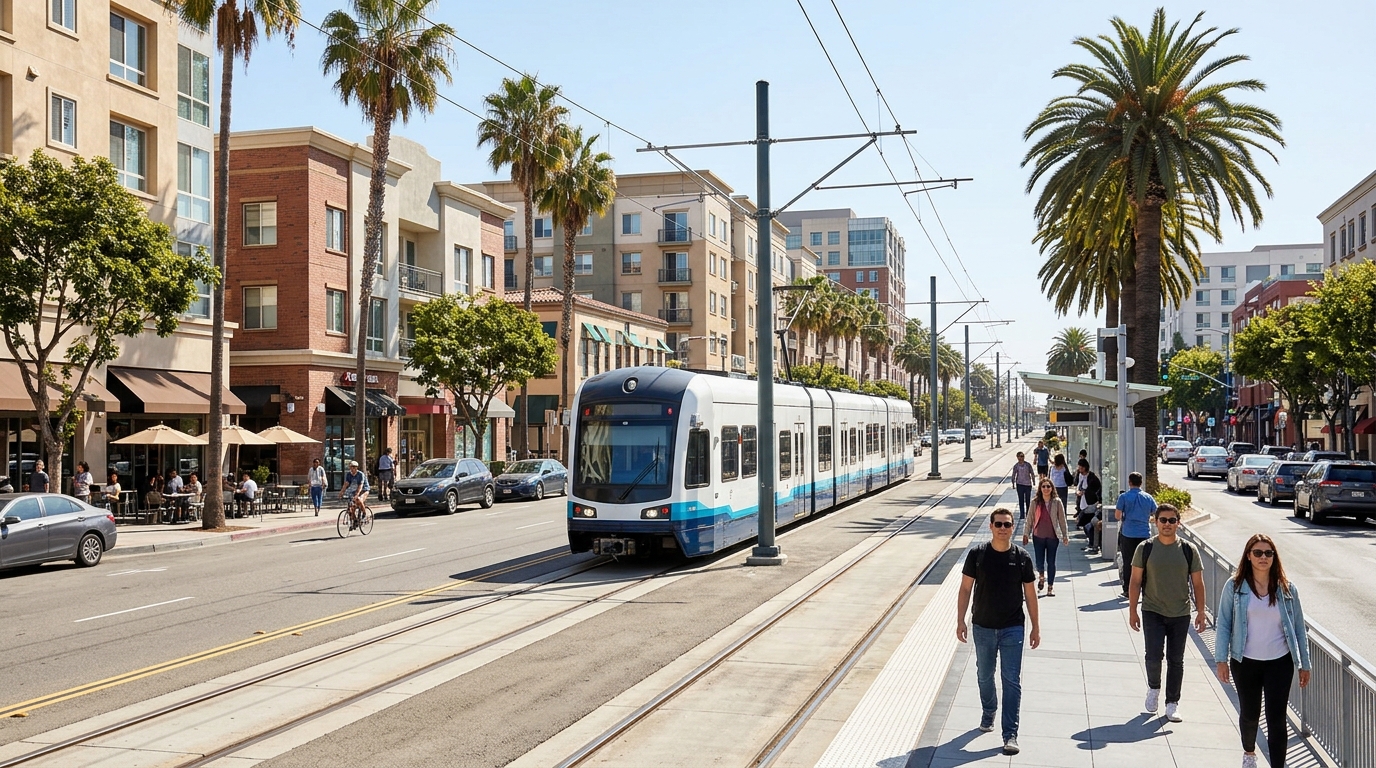
Getting around California can involve different transportation options
depending on where you are traveling. Major metropolitan areas often have
extensive public transit networks, while smaller communities may rely more
heavily on buses, regional services, and personal vehicles. Understanding the
available options can make everyday commuting, sightseeing, and longer trips
easier to plan.
California’s transportation systems include city buses, light rail, commuter
trains, regional rail services, ferries, and other forms of public
transportation. Each system serves different areas and has its own schedules,
routes, fares, and operating procedures.
Whether you are visiting California for the first time, commuting regularly,
or exploring a new community, knowing how local transportation works can help
you make informed decisions. This guide explains the main transportation
options and offers practical tips for navigating the Golden State.
Understanding California’s Public Transportation Options
Public transportation in California varies by region. Some cities have
connected networks that combine buses and rail services, while other areas
provide more limited routes focused on major destinations and population
centers.
City Buses
City buses are among the most widely available forms of public transportation
in California. Local transit agencies typically operate routes connecting
residential neighborhoods, business districts, shopping areas, public
facilities, and other destinations.
Bus routes may operate on different schedules depending on the day and time.
Some services run frequently during weekday commuting hours, while others have
reduced service in the evenings, on weekends, or during holidays.
Before traveling, check the transit agency’s official website for route maps,
schedules, service notices, and fare information. Knowing the correct stop and
direction of travel can help prevent unnecessary delays.
Light Rail and Urban Rail Systems
Several California metropolitan areas have light rail or other urban rail
services. These systems can provide convenient connections between downtown
districts, residential areas, employment centers, and major transportation
hubs.
Rail services generally follow fixed routes and designated stations, making
them useful for travelers who prefer predictable travel paths. However, not
every destination is located near a station, so passengers may need to combine
rail travel with buses, walking, or another transportation option.
Commuter and Regional Trains
Commuter and regional rail services connect cities and communities across
larger geographic areas. They can be useful for people traveling between
residential communities and major employment centers or visiting destinations
outside their immediate city.
Unlike local transit systems, regional trains may have fewer departures
throughout the day. Check departure times, station locations, ticket
requirements, and service updates before beginning your journey.
Ferries and Water Transportation
In certain coastal and bay communities, ferries provide another way to travel
between destinations. These services can connect waterfront communities with
nearby urban centers and transportation hubs.
Ferry schedules may vary depending on the route, weather, season, and
operating conditions. Travelers should review departure information and any
service advisories before heading to the terminal.
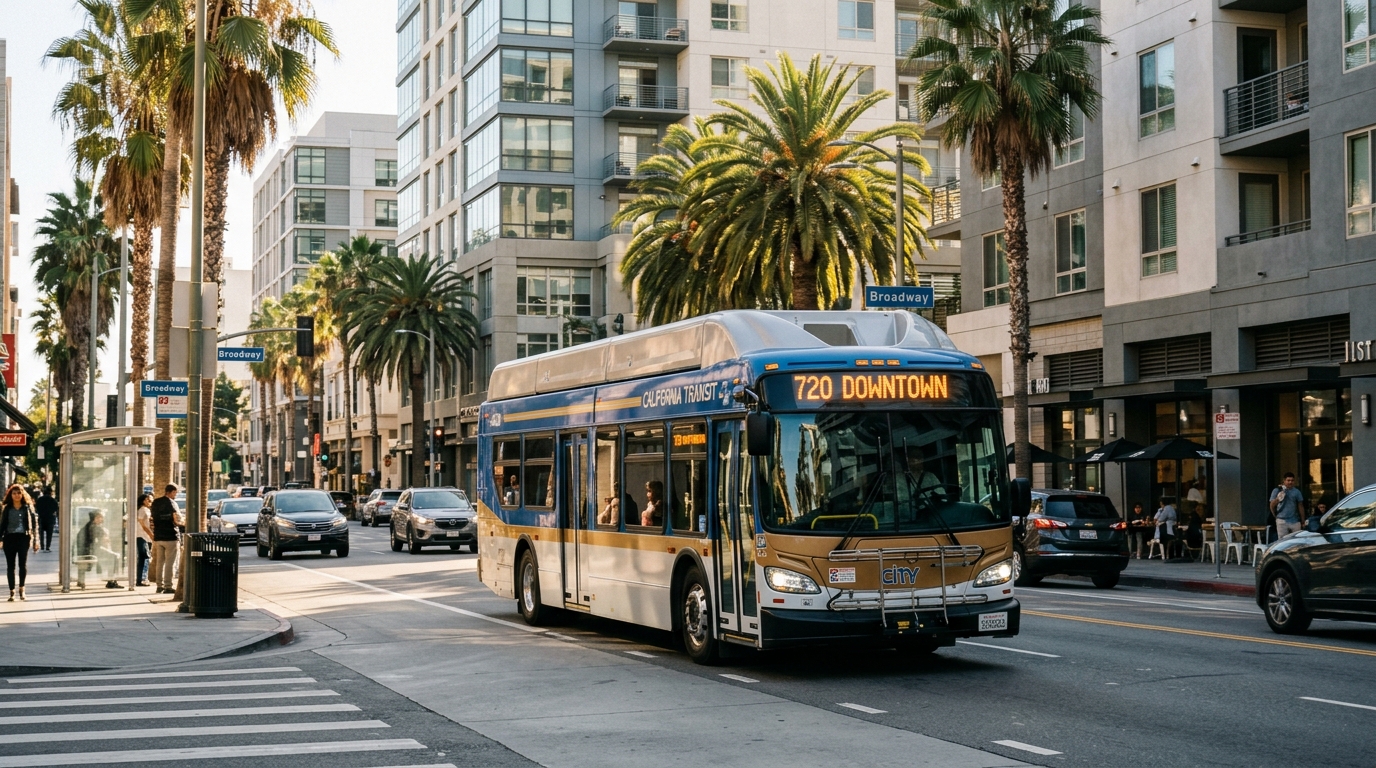
community destinations.
How to Plan a Public Transportation Trip
Planning ahead can make using public transportation much easier, particularly
when traveling through an unfamiliar city. A few simple steps can help you
understand your route, avoid missed connections, and arrive at your
destination on time.
Identify the Correct Transit Agency
California does not have one transportation agency responsible for every local
bus and rail service. Different cities, counties, and regions operate their
own transit networks.
Start by identifying the agency that serves your starting point and
destination. Official agency websites typically provide route maps, service
areas, trip-planning tools, and customer information.
Review Routes and Schedules
Check the available routes and determine where you need to board, transfer,
and exit. Pay attention to the direction of travel because routes with the
same number or name may operate in opposite directions.
Review the schedule for your intended travel date. Weekday, weekend, and
holiday service can differ, and some routes may operate only during specific
hours.
Allow Time for Transfers
Some trips require passengers to transfer between buses, trains, or different
transit providers. When planning a connection, allow enough time to reach the
next platform or stop.
Do not assume that every connection will be immediate. Delays, crowded
stations, walking distances, and schedule differences can affect your total
travel time.
Check Service Alerts Before Leaving
Transit agencies may publish alerts about delays, temporary route changes,
station closures, construction, or other disruptions. Reviewing these notices
before departure can help you identify alternatives and avoid unexpected
problems.
If your regular route is unavailable, look for an official detour notice or an
alternative service recommended by the transit provider.
Understanding Transit Fares and Payment Options
Public transportation fares and payment methods vary across California. Some
systems use contactless payment, mobile applications, reloadable transit
cards, or cash, while others offer different combinations of payment options.
Check the Available Payment Methods
Before boarding, review the transit provider’s accepted payment methods. Some
services require passengers to purchase a ticket before entering a station,
while others allow payment directly on the vehicle.
Mobile ticketing may be available through an official transit application. If
you plan to use a digital ticket, make sure your phone is charged and that you
understand when the ticket must be activated.
Look for Passes and Discount Programs
Transit agencies may offer day passes, multi-day passes, monthly passes, or
reduced fares for eligible passengers. These options can be useful for
frequent riders or visitors planning several trips within a particular service
area.
Eligibility requirements and available discounts differ by agency. Check
official fare information to understand current prices, documentation
requirements, and applicable restrictions.
Keep Your Ticket or Payment Confirmation
Some transportation systems require passengers to retain a valid ticket or
proof of payment during their journey. Keep your ticket accessible and follow
the provider’s instructions for validation, inspection, or transfer use.
Combining Public Transit with Other Transportation Options
Public transportation may not take you directly to every destination.
Combining different transportation methods can help you reach places that are
farther from transit stops or outside the main service area.
Walking Between Stops and Destinations
Walking is often a practical way to complete the final part of a trip. Many
urban neighborhoods have sidewalks and pedestrian routes connecting transit
stations with nearby businesses, public facilities, and attractions.
Before choosing a walking route, consider distance, street crossings, sidewalk
availability, lighting, and accessibility. Use designated pedestrian crossings
and follow local traffic rules.
Using Bicycles and Micromobility
Some communities provide bicycle lanes, shared bicycle services, and other
small transportation options. These can help passengers travel between transit
stops and nearby destinations.
Availability, operating rules, and permitted travel areas differ by provider
and location. Check local regulations and use appropriate safety equipment
when cycling or using a shared mobility service.
Rideshare and Taxis
Rideshare services and taxis may be useful when public transportation is
limited, when traveling with luggage, or when reaching a destination outside
normal transit operating hours.
For convenience and safety, confirm the vehicle and driver details through the
appropriate service before entering a vehicle. Use designated pickup areas
when available and avoid accepting unsolicited rides.
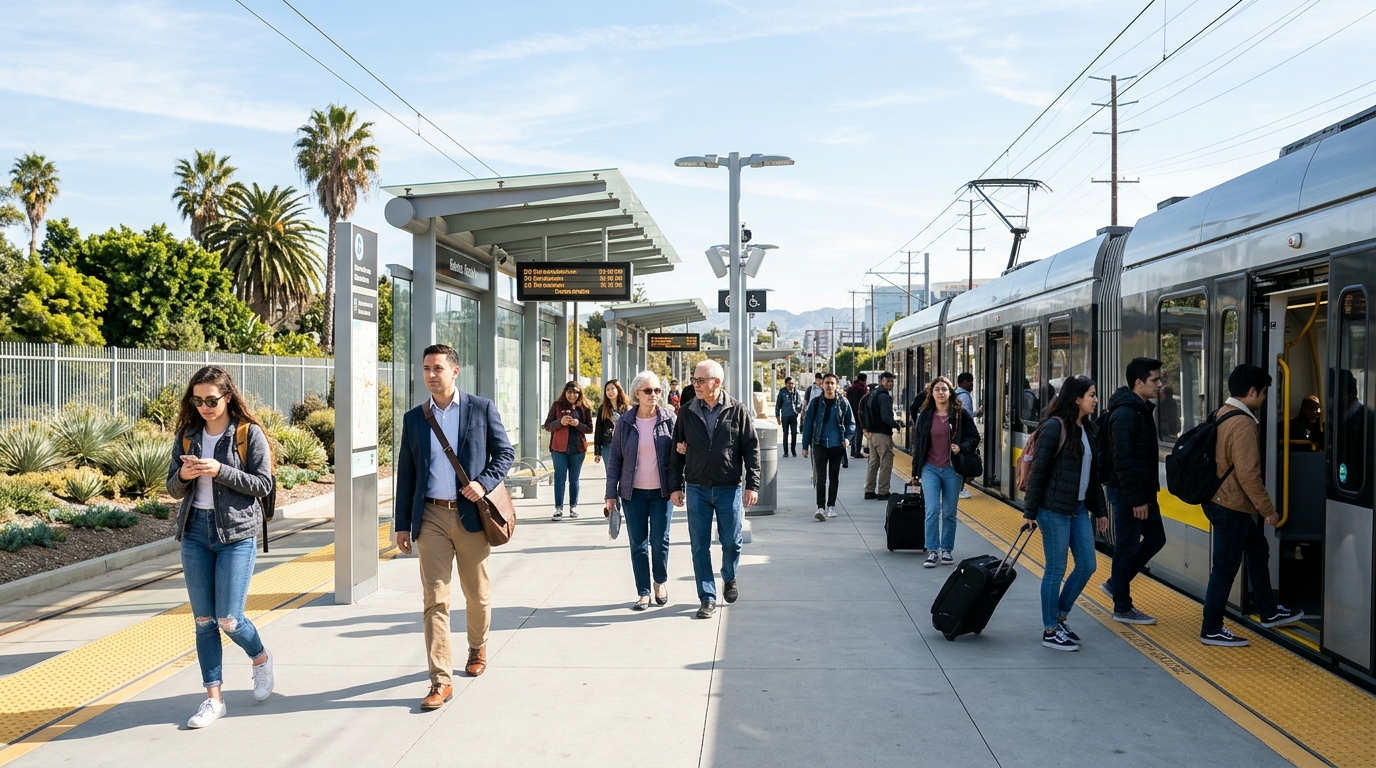
make local travel more flexible.
Transportation Considerations When Visiting Different California Regions
Transportation choices can change significantly from one part of California to
another. Understanding the characteristics of each region can help you choose
a practical way to travel.
Major Metropolitan Areas
Large metropolitan areas generally offer more transportation choices,
including local buses, rail systems, commuter services, and rideshare options.
However, traffic congestion, crowded services, and longer distances between
destinations can still affect travel time.
When visiting a major city, research the transit network near your
accommodation and the places you plan to visit. Staying near a useful transit
connection may reduce the need to drive or arrange separate transportation for
every trip.
Suburban Communities
Suburban areas may have local bus services and connections to nearby urban
centers, but routes can be less frequent or cover a smaller area. Some
destinations may require a combination of transit and walking or another
transportation method.
Review service hours carefully, especially if you plan to return late in the
evening or travel on weekends.
Rural and Remote Destinations
Rural communities and remote attractions may have limited public
transportation. Some locations are accessible mainly by personal vehicle or
specialized regional services.
If you are planning a trip outside a major city, research transportation
availability before departure. Consider how you will reach your destination,
return to your accommodation, and access essential services along the way.
Practical Safety Tips for Public Transportation Users
Public transportation is part of everyday life for many California residents
and visitors. Being aware of your surroundings and following basic travel
precautions can help make your journey more comfortable.
-
Stay aware of your surroundings: Pay attention to nearby
passengers, station announcements, and your belongings. -
Use designated boarding areas: Wait behind marked safety
lines and board only when it is safe to do so. -
Keep personal belongings secure: Avoid leaving bags or
valuables unattended. -
Plan your return trip: Check the final departure time and
available alternatives before traveling late in the day. -
Follow transit rules: Observe posted instructions,
passenger conduct policies, and safety announcements. -
Know how to request assistance: Identify available station
staff, customer service contacts, or emergency communication options.
Common Public Transportation Mistakes to Avoid
Travelers who are unfamiliar with a transit system can encounter avoidable
problems. Keep these common mistakes in mind when planning your next trip:
-
Assuming every city has the same system: Transit networks
and payment rules differ by agency and region. -
Checking only weekday schedules: Weekend and holiday
services may operate differently. -
Overlooking transfer requirements: Some routes require
additional travel time between stops or stations. -
Ignoring service alerts: Temporary disruptions can affect
routes and departure times. -
Waiting until the last minute to plan: Researching routes
and fares ahead of time can reduce confusion. -
Forgetting the return journey: Check the availability of
services for your planned return time.
Finding Reliable California Transportation Information
Because transportation schedules, fares, and routes can change, official
transit resources are among the most useful places to find current
information. Local agencies generally publish route maps, timetables, fare
details, service alerts, and contact information.
For broader travel planning, California transportation and highway resources
can also help travelers understand road conditions, regional connections, and
other transportation considerations.
When comparing travel options, look beyond the advertised journey time.
Consider walking distances, transfer requirements, service frequency,
accessibility, and the location of your final destination. These details can
make a significant difference in the convenience of a trip.
Make Getting Around California Easier
California offers a wide range of transportation options, but the most
practical choice depends on where you are going and what services are
available in that area. City buses, rail networks, regional trains, ferries,
walking routes, and other transportation methods can all play a role in
helping people move around the state.
With a little preparation, you can better understand local transit systems,
compare available routes, and plan trips that fit your schedule. Always review
current service information, allow time for connections, and consider
alternative transportation when necessary.
Explore More Transportation Resources with Golden State Direct
Getting around the Golden State becomes easier when you have access to
practical information about local transportation, commuting options, and
regional travel. Whether you are navigating a major city or visiting a smaller
California community, understanding available services can help you plan with
greater confidence.
Continue exploring Golden State Direct for more transportation guides, local
resources, destination information, and useful tips for discovering and
navigating California.