
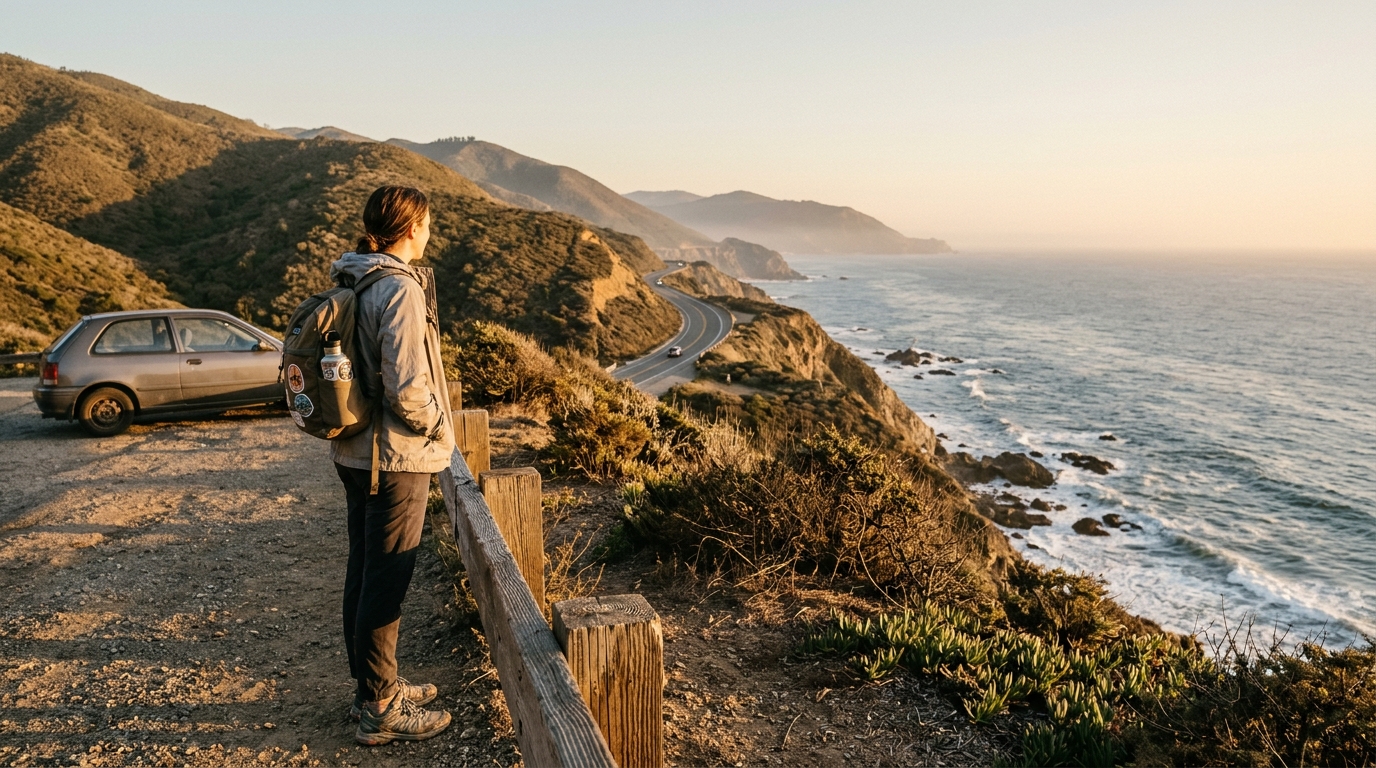
California is known for its beautiful coastlines, vibrant cities, outdoor
destinations, and diverse attractions. However, exploring the Golden State can
become expensive if travel costs are not planned carefully. Accommodation,
transportation, meals, admission fees, parking, and other everyday expenses
can quickly add up, particularly during longer trips.
The good news is that enjoying California does not always require a large
travel budget. With thoughtful planning, travelers can discover interesting
destinations, enjoy outdoor activities, explore local communities, and
experience different parts of the state while managing their expenses.
Whether you are planning a weekend getaway, a family vacation, or a longer
road trip, understanding where your money goes can help you make better
decisions. This guide shares practical ways to save money while traveling
throughout California without sacrificing the overall experience.
Set a Realistic Travel Budget Before Your Trip
One of the most effective ways to manage travel expenses is to establish a
budget before making reservations or finalizing an itinerary. A realistic
spending plan helps you understand what you can afford and identify areas
where adjustments may be necessary.
Estimate Your Major Travel Expenses
Start by identifying the main costs associated with your trip. These commonly
include transportation, accommodation, food, activities, parking, and
miscellaneous expenses.
Consider the length of your trip and the number of people traveling with you.
A family vacation, for example, may involve different transportation, lodging,
and meal expenses compared with a solo weekend trip.
Research estimated prices before committing to reservations. Having a general
idea of costs can help you compare destinations and avoid choosing an
itinerary that exceeds your budget.
Set Daily Spending Limits
After estimating your total expenses, divide your available spending money
across the days of your trip. A daily allowance can help you monitor smaller
purchases, meals, transportation costs, and activities.
You do not need to spend the same amount every day. Some days may involve
expensive attractions or longer travel distances, while others can focus on
free outdoor activities and local exploration.
Keep an Emergency Travel Reserve
Unexpected expenses can happen even during a carefully planned trip. Parking
fees, transportation changes, vehicle problems, weather disruptions, and
last-minute accommodation needs can affect your budget.
Set aside a separate amount for emergencies rather than using your entire
travel budget for planned activities. This provides more flexibility if
circumstances change.
Choose Destinations That Match Your Budget
California has destinations for different travel styles and spending levels.
While some popular tourist areas can be expensive, many communities and
outdoor locations offer enjoyable experiences without requiring substantial
spending.
Explore Public Parks and Outdoor Attractions
Public parks, beaches, walking paths, scenic viewpoints, and some outdoor
recreation areas can provide affordable opportunities to enjoy California’s
natural landscapes.
Before visiting, check whether the location charges entrance, parking, or
reservation fees. Some popular destinations may require advance arrangements
or have limited access during certain periods.
Discover Smaller Communities
Major tourist destinations often receive more attention, but smaller
California communities can offer interesting local experiences. Historic
districts, neighborhood markets, public spaces, and local cultural attractions
may provide enjoyable alternatives to expensive tourist activities.
Research destinations outside the busiest areas and compare the overall cost
of visiting them. Remember to consider transportation and accommodation
expenses, not just the price of individual attractions.
Travel During Less Busy Periods
Travel costs can change depending on the season, holidays, local events, and
visitor demand. When your schedule allows, consider visiting popular
destinations during less crowded periods.
Off-peak travel may provide more accommodation choices and potentially lower
prices. However, check seasonal operating schedules because some attractions,
facilities, and transportation services may have reduced availability.
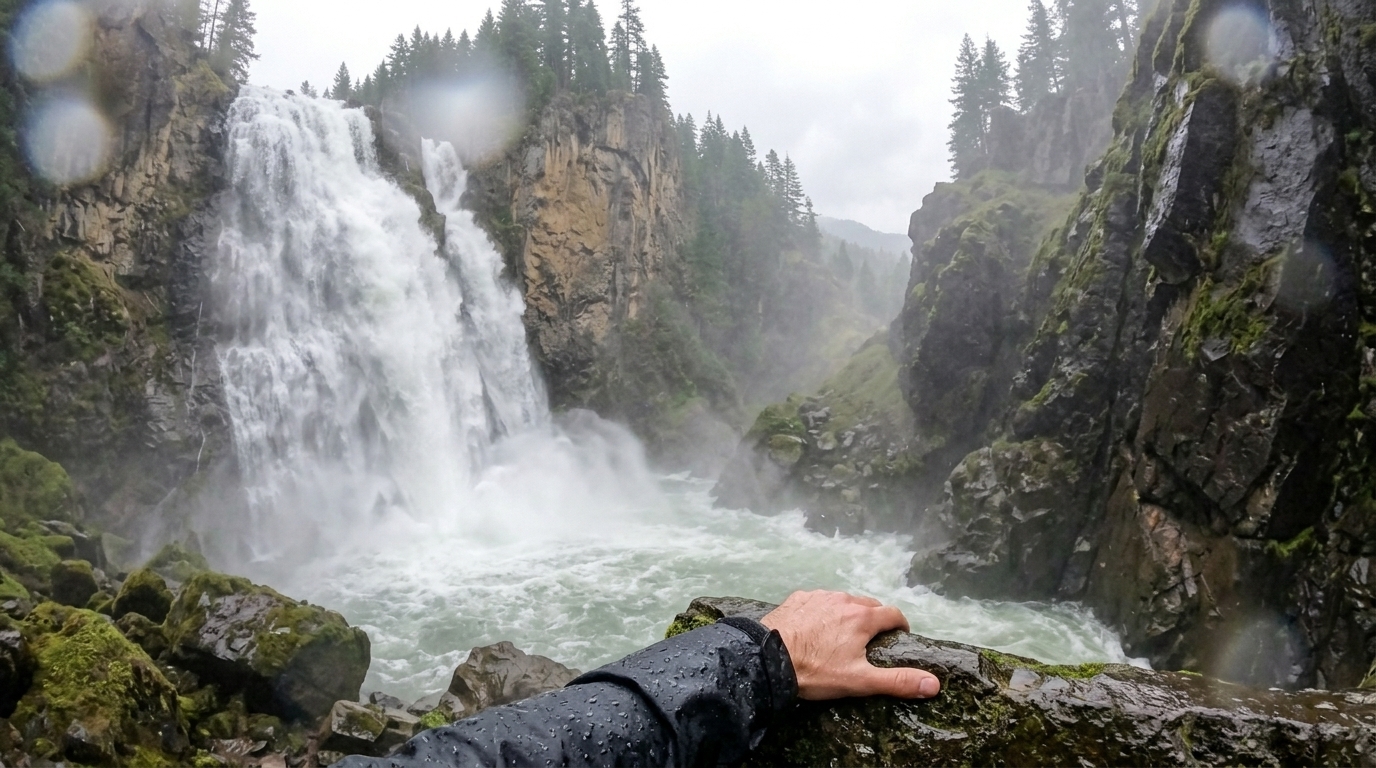
experiences without requiring expensive activities.
Save Money on California Transportation
Transportation is often one of the largest expenses during a California trip.
The best way to save depends on the distance you plan to travel, the number of
people in your group, and the transportation services available in your
destination.
Compare Driving and Public Transportation
Driving can offer flexibility, especially when visiting several destinations
or traveling through areas with limited public transportation. However,
vehicle expenses may include fuel, parking, tolls, rental fees, and
maintenance.
Public transportation may be more practical in certain urban areas where
buses, rail systems, and other services connect major destinations. Compare
the complete cost of each option rather than focusing only on the initial fare
or fuel expense.
Plan Efficient Driving Routes
If you are taking a road trip, organize destinations into a practical route to
avoid unnecessary backtracking. A well-planned itinerary can reduce fuel
consumption and help you make better use of your travel time.
Check traffic conditions and road updates before leaving. Avoiding unnecessary
detours and allowing enough time for stops can make your journey more
efficient.
Research Parking Costs in Advance
Parking fees can become a significant expense in busy downtown areas, popular
beaches, and major attractions. Research available parking options before
arriving at your destination.
Look for official public parking information and compare available locations.
Always check posted restrictions, payment requirements, and time limits before
leaving your vehicle.
Consider Shared Transportation
For certain trips, rideshare services, taxis, and shared transportation
options may be convenient alternatives to driving. Compare the estimated cost
with public transit or other available services, particularly when traveling
with several people.
For longer journeys, consider whether a combination of transportation methods
can provide a more economical option.
Find Affordable Accommodation
Accommodation can consume a large portion of a travel budget, particularly in
popular California destinations. Comparing different lodging options and
planning ahead can help you find a suitable place without overspending.
Compare Different Types of Lodging
Hotels are only one of many accommodation options. Depending on your
destination and preferences, you may also consider motels, hostels, vacation
rentals, or campgrounds.
Each option has different costs, amenities, location advantages, and booking
conditions. Compare the total price, including taxes, cleaning charges,
parking, and other additional fees.
Look Beyond the Most Popular Areas
Accommodation located directly beside major attractions or in busy downtown
districts may cost more than options in nearby communities. Consider staying
slightly outside the busiest areas if transportation remains convenient.
Before booking, calculate the additional time and expense required to reach
your planned destinations. A lower nightly price may not provide savings if it
creates substantial transportation costs.
Review Booking Conditions Carefully
Read reservation terms before confirming a stay. Pay attention to cancellation
policies, check-in requirements, deposits, additional charges, and refund
conditions.
Use reputable booking platforms or contact accommodation providers through
their official channels. Keep copies of reservation confirmations and payment
records.
Manage Food and Everyday Travel Expenses
Food, drinks, and small purchases may seem inexpensive individually, but they
can add up over several days. Managing everyday spending is an important part
of keeping a California trip within budget.
Plan Some Meals in Advance
Research dining options near your accommodation and planned destinations.
Having an idea of available prices can help you avoid making expensive
last-minute decisions when you are hungry or in an unfamiliar area.
If your accommodation provides a kitchen or refrigerator, preparing some meals
or snacks may help reduce food expenses. Check the available facilities before
booking.
Bring Reusable Travel Essentials
Carrying a reusable water bottle, shopping bag, and basic travel supplies can
help reduce repeated purchases. Refill your water bottle where safe drinking
water is available and follow any local restrictions or guidance.
Prepare simple snacks for longer drives or outdoor activities, while following
park and destination rules about food storage and waste disposal.
Watch Small Purchases
Souvenirs, convenience store purchases, snacks, and unplanned stops can
gradually increase travel expenses. Set aside a reasonable amount for optional
purchases and keep track of your spending throughout the trip.
You do not need to avoid every extra purchase. The goal is to make deliberate
choices so that smaller expenses do not interfere with your more important
travel plans.
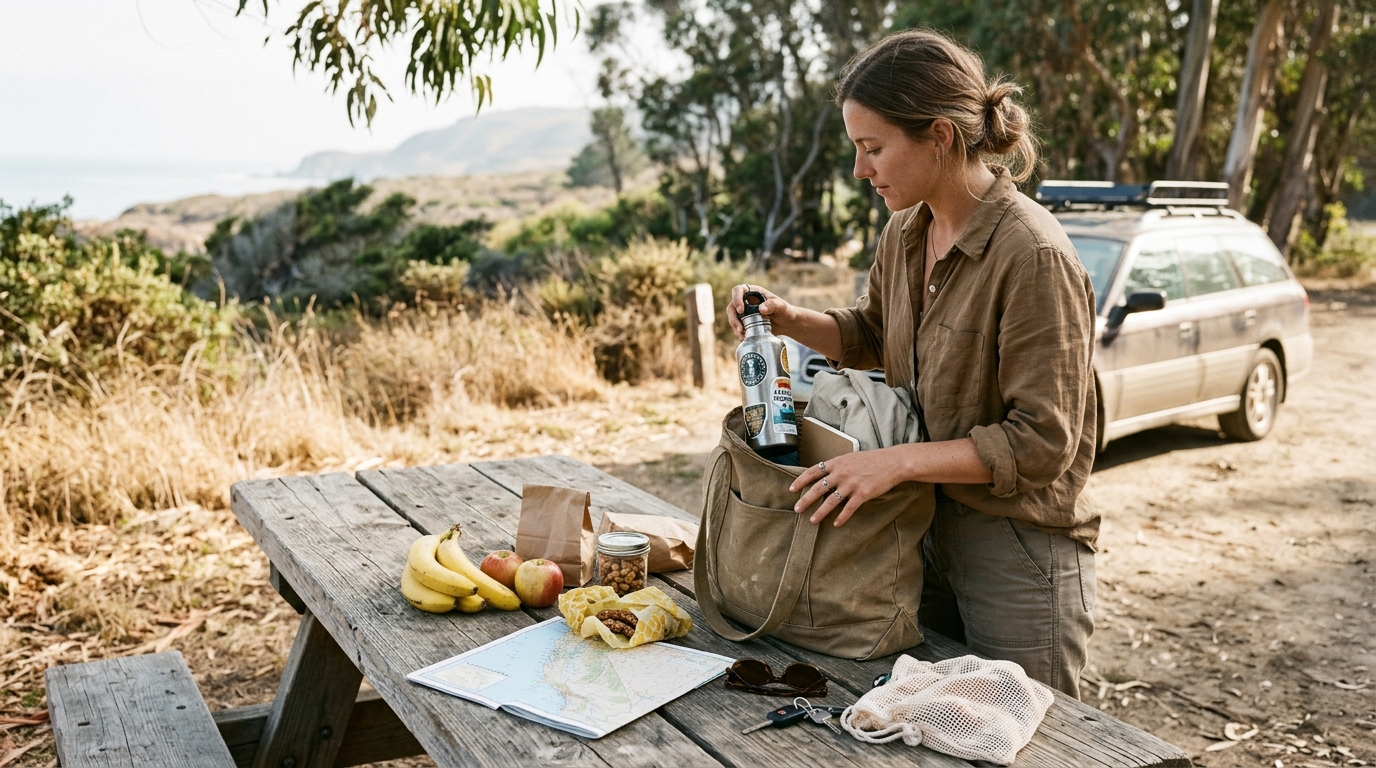
expenses during a road trip.
Enjoy California Activities Without Overspending
Travel experiences do not always need to involve expensive tickets or
organized tours. California offers many ways to explore its landscapes,
communities, and local culture while keeping activity costs manageable.
Look for Free and Low-Cost Attractions
Research public parks, walking trails, community events, historic
neighborhoods, scenic viewpoints, and other attractions that may offer free or
inexpensive access.
Some museums and cultural institutions may provide discounted admission days,
free community events, or special programs. Check their official websites for
current schedules and requirements.
Explore Local Markets and Community Events
Farmers markets, neighborhood festivals, public art displays, and community
gatherings can provide interesting ways to experience local culture. Some
events are free to attend, although individual purchases may involve
additional expenses.
Review event information before visiting to understand admission rules,
parking arrangements, and any associated costs.
Take Advantage of Outdoor Experiences
California’s natural surroundings offer many opportunities for walking,
sightseeing, beach visits, and outdoor recreation. These activities can
provide memorable experiences without requiring expensive entertainment.
Choose activities that match your fitness level and experience. Check weather
conditions, trail information, access restrictions, and safety recommendations
before visiting outdoor destinations.
Use Consumer Awareness When Booking Travel Services
Saving money is not simply about choosing the lowest advertised price.
Understanding booking terms, payment conditions, and service details can help
you avoid unexpected expenses and make more informed decisions.
Compare the Total Cost Instead of the Advertised Price
Travel advertisements may highlight a base price that does not include taxes,
service charges, parking, baggage fees, or other additional expenses.
Before making a purchase, review the complete cost and identify any optional
or mandatory charges. This is especially important when comparing
accommodation, rental vehicles, transportation tickets, and organized
activities.
Review Cancellation and Refund Policies
Travel plans can change because of illness, weather, transportation
disruptions, or other unexpected circumstances. Understanding cancellation and
refund policies before paying can help you avoid misunderstandings.
Check deadlines, refund eligibility, rescheduling options, and any penalties
that may apply. Save a copy of the terms associated with your reservation.
Be Careful with Unusually Cheap Offers
Very low prices can sometimes involve restrictions, limited services, or
misleading advertisements. Research the provider, verify its contact
information, and review independent feedback before making a payment.
Be cautious about requests for unusual payment methods, pressure to pay
immediately, or offers that cannot be independently verified. Use secure
payment channels and keep transaction records.
Plan a Budget-Friendly California Road Trip
Road trips can be a practical way to explore several California destinations,
but they require careful planning to control expenses.
Before leaving, consider the following steps:
-
Choose a manageable route: Group nearby destinations
together to reduce unnecessary driving. -
Estimate fuel expenses: Consider the distance, vehicle
efficiency, and expected fuel prices. -
Research parking and tolls: Identify potential charges
along your planned route. -
Check vehicle condition: Address maintenance concerns
before departure to reduce the risk of avoidable problems. -
Pack essential supplies: Bring water, snacks, and basic
emergency items appropriate for your journey. -
Keep your schedule flexible: Allow time for traffic,
weather changes, and unexpected delays.
A practical itinerary should balance the number of destinations with the
available time and budget. Visiting fewer places at a comfortable pace may be
more enjoyable and affordable than trying to cover too much ground.
Common Budget Travel Mistakes to Avoid
Even travelers who carefully plan their spending can overlook expenses that
affect the final cost of a trip. Keep these common mistakes in mind:
-
Ignoring additional fees: Taxes, parking, cleaning charges,
and service fees can increase the total cost. -
Booking without comparing options: Review several suitable
providers before making a reservation. -
Planning an unrealistic itinerary: Too many destinations
can increase transportation expenses and create unnecessary pressure. -
Forgetting emergency funds: Unexpected costs should be
considered separately from planned spending. -
Choosing accommodation based only on price: Consider
location, transportation, amenities, and additional charges. -
Overlooking free activities: Public spaces, scenic
locations, and community events can provide valuable experiences at lower
costs.
Make Your California Travel Budget Work Better
Exploring California on a budget is possible when you make thoughtful
decisions about destinations, transportation, accommodation, meals, and
activities. The key is to understand your priorities and spend where the
experience provides the most value.
Start by setting a realistic budget, comparing travel options, and researching
costs before making reservations. Look for affordable activities, plan
efficient routes, and remain aware of additional charges that may affect your
spending.
Most importantly, leave room for flexibility. A well-planned trip should help
you enjoy California without creating unnecessary financial pressure.
Discover More California Travel and Everyday Guides
California offers countless opportunities to explore its cities, coastal
communities, outdoor destinations, and local attractions. With practical
planning and a better understanding of everyday travel expenses, you can
discover more of the Golden State while making informed spending decisions.
Continue exploring Golden State Direct for more destination ideas, travel
resources, consumer information, and useful everyday guides to help you plan
your next California experience.