
Being prepared for an emergency is an important part of living in or visiting
California. The state experiences a variety of natural hazards and unexpected
situations, including earthquakes, wildfires, severe weather, power outages,
and transportation disruptions. While these events cannot always be predicted,
taking practical steps in advance can help people respond more effectively.
Emergency preparedness does not have to be complicated. It begins with
understanding the risks in your area, preparing essential supplies, knowing
where to find reliable information, and creating a plan for your household or
travel group.
This guide covers practical safety measures that can help California residents
and visitors prepare for emergencies at home, outdoors, and while traveling.
It is intended as general educational information and should be supplemented
with instructions from local emergency authorities.
Understanding Common Emergencies in California
California’s geography and climate create different safety considerations
across the state. Coastal communities, mountain regions, urban centers, and
rural areas may face different hazards depending on their location and
seasonal conditions.
Earthquakes
Earthquakes can occur throughout California, and some may happen without
warning. Strong shaking can damage buildings, disrupt transportation,
interrupt utilities, and cause objects to fall.
People should become familiar with safe actions during an earthquake. The
widely recommended response is to Drop, Cover, and Hold On. Get down on your
hands and knees, protect your head and neck, take cover under a sturdy table
or desk if available, and hold on until the shaking stops.
Secure heavy furniture, televisions, shelves, and other objects that could
fall. Identify safer places in frequently used rooms and make sure household
members understand what to do.
Wildfires
Wildfires are an important safety concern in many California communities,
particularly during periods of hot, dry, and windy weather. Fires can spread
quickly, threaten homes, reduce air quality, and lead to evacuation orders.
People living in or traveling through wildfire-prone areas should monitor
official alerts, understand local evacuation routes, and prepare essential
belongings in advance. Avoid entering areas affected by active fires or
ignoring evacuation instructions.
Severe Weather and Flooding
Although California is known for its generally mild climate, some regions
experience heavy rainfall, thunderstorms, strong winds, snow, and flooding.
Atmospheric river events can bring prolonged rainfall and increase the risk of
flash flooding, especially in areas with poor drainage or recently burned
landscapes.
Check weather forecasts and local emergency announcements before outdoor
activities or long-distance travel. Never attempt to walk, swim, or drive
through floodwater because its depth and current may be difficult to judge.
Power Outages
Power outages can happen because of severe weather, equipment problems,
infrastructure damage, or planned utility safety measures. An outage may
affect lighting, refrigeration, heating and cooling, communications, and
certain medical equipment.
Keep flashlights, spare batteries, charged power banks, and important contact
information available. If your area experiences a prolonged outage, follow
guidance from your utility provider and local authorities.
when unexpected situations occur.
Preparing an Emergency Supply Kit
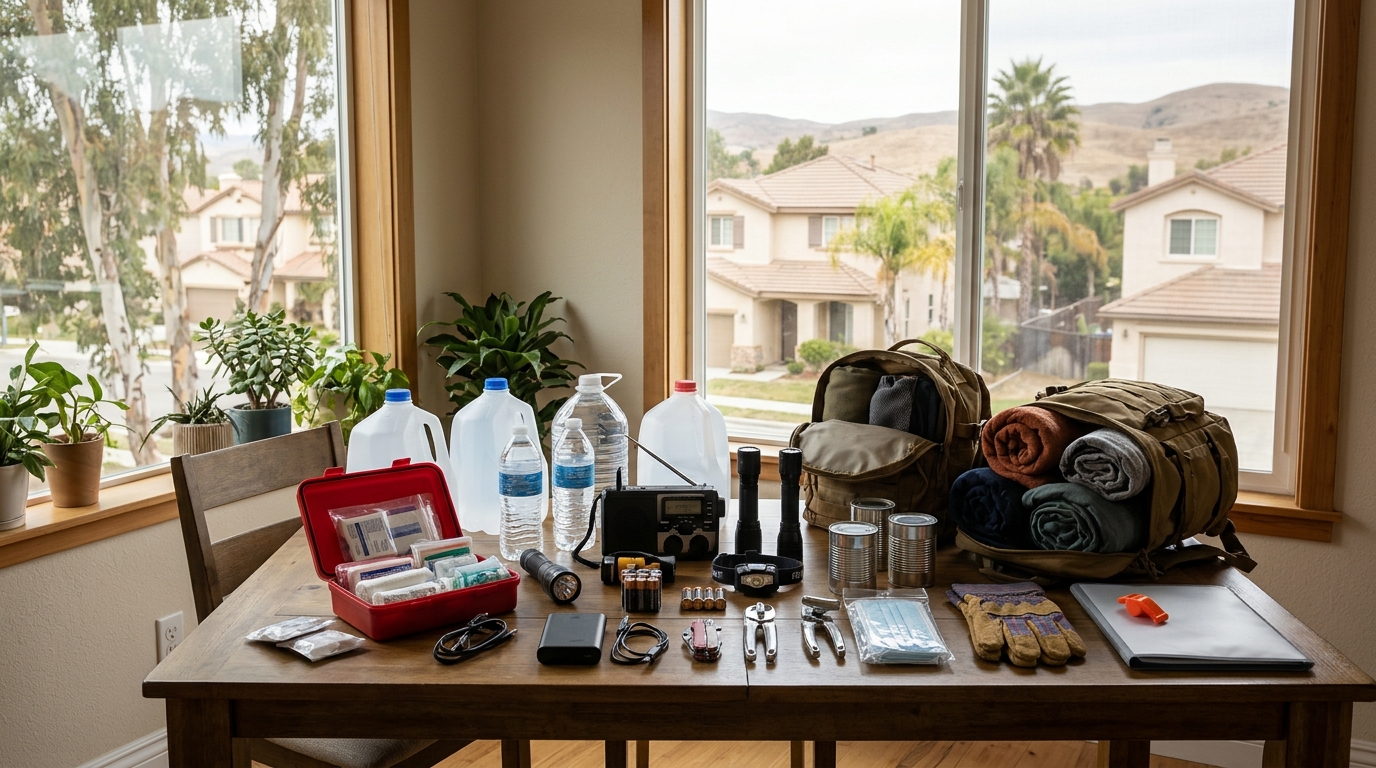
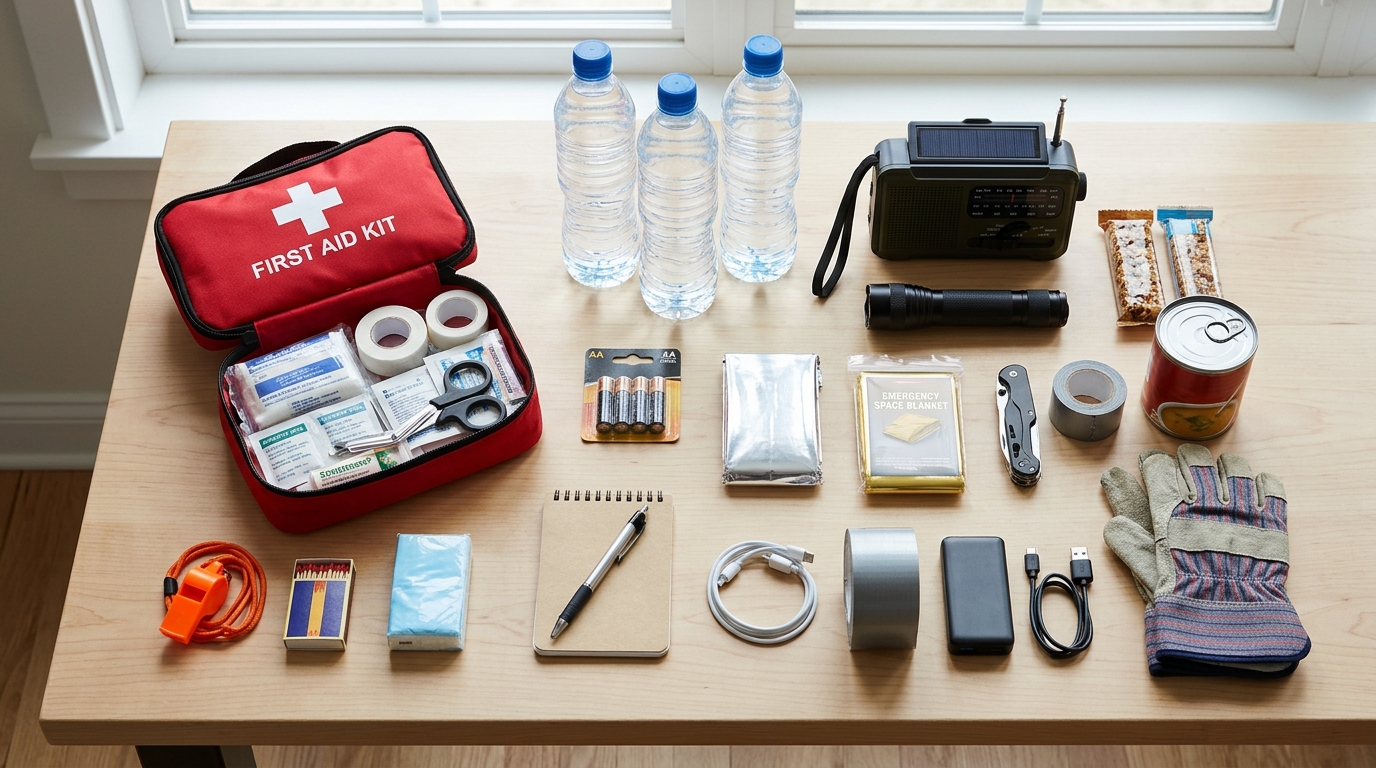
An emergency supply kit provides basic necessities when normal services become
unavailable or when you need to leave your home quickly. The supplies you need
will depend on your household size, location, health considerations, and
potential emergency situations.
Water and Nonperishable Food
Store drinking water for household members and keep nonperishable food that
does not require extensive preparation. Consider including canned goods,
packaged snacks, and other foods that are suitable for your household.
Remember to account for pets and anyone who may require special food or
supplies. Review stored items regularly and replace anything that has expired
or been damaged.
First-Aid and Personal Care Supplies
A basic first-aid kit can help address minor injuries while waiting for
assistance or until medical care becomes available. Include commonly needed
items such as adhesive bandages, gauze, antiseptic supplies, gloves, and any
personal medical essentials appropriate for your household.
Keep hygiene products, sanitation supplies, and necessary prescription
medications available according to your healthcare provider’s instructions.
Store important medical information in a secure but accessible location.
Lighting and Communication Equipment
Flashlights, spare batteries, portable phone chargers, and a battery-powered
or hand-crank radio can be useful when electricity or internet service is
unavailable.
Keep emergency contact numbers written down rather than relying entirely on a
mobile phone. During a major incident, communication networks may become
congested or temporarily unavailable.
Important Documents and Personal Items
Keep copies of important documents in a waterproof container or secure digital
storage location. These may include identification records, insurance
information, emergency contacts, and other documents you may need after an
evacuation or disruption.
Consider preparing a small bag with essential clothing, personal hygiene
products, cash, keys, and other items that would be difficult to replace
immediately.
Creating a Household Emergency Plan
Having emergency supplies is only one part of preparedness. Household members
should also understand how to communicate, where to go, and what to do if an
emergency occurs while they are in different locations.
Establish Emergency Meeting Places
Choose meeting locations that household members can reach under different
circumstances. One location may be close to home, while another may be outside
the immediate neighborhood in case the surrounding area becomes inaccessible.
Make sure everyone understands where these locations are and how to reach
them. Consider the needs of children, older adults, people with disabilities,
and household pets when creating the plan.
Choose an Out-of-Area Contact
During a widespread emergency, local phone networks may become congested.
Choosing an out-of-area contact can provide household members with another
person to communicate with if they cannot reach one another directly.
Share the contact’s phone number with everyone in your household and keep a
written copy with your emergency supplies.
Know Your Evacuation Routes
Identify more than one possible route away from your home or neighborhood.
Roads may become blocked by traffic, debris, flooding, or emergency
operations.
Learn where local evacuation information is published and follow official
instructions when an evacuation order is issued. Do not assume that your usual
route will remain available during an emergency.
Practice Your Emergency Plan
Discuss what household members should do during different emergency
situations. Practice basic earthquake responses, identify exits, and review
where supplies are stored.
Simple preparation exercises can help everyone become more familiar with the
plan and recognize what actions may be necessary when time is limited.
Staying Prepared for Wildfire Risks
Wildfire preparedness is especially important for people living near dry
vegetation, open spaces, foothills, and other areas with elevated fire
exposure. Even communities located some distance from an active fire may
experience smoke, road closures, or evacuation-related disruptions.
Understand Local Fire Conditions
Pay attention to fire weather information, local warnings, and evacuation
updates. Learn which authorities provide emergency notifications in your area
and how to receive alerts on your phone.
Do not rely solely on social media posts or unverified messages. Use official
emergency management and fire agency communications for important
instructions.
Prepare Your Property
Where appropriate, maintain clear areas around buildings, remove accumulated
dry vegetation, and keep combustible materials away from structures. Follow
local fire safety guidance and applicable defensible-space requirements.
Check that gates and access routes are not obstructed. Clear access can help
emergency personnel reach a property when assistance is needed.
Leave When Authorities Tell You To Evacuate
Evacuation warnings and orders should be taken seriously. Prepare to leave
when conditions may become dangerous, and follow official instructions about
routes and destinations.
Do not wait until flames or heavy smoke are visible before deciding to leave.
Conditions can change rapidly, and waiting too long may make evacuation more
difficult.
Emergency Preparedness While Traveling in California
Travelers should also consider emergency preparedness when exploring
California. Road trips, outdoor activities, and visits to unfamiliar
communities can create situations where access to supplies, services, or
communications may be limited.
Check Conditions Before Leaving
Review weather forecasts, traffic information, road closures, and local
advisories before starting a journey. If your destination is in a mountainous,
coastal, or wildfire-prone area, pay particular attention to changing
environmental conditions.
Be prepared to change your route or postpone an activity if authorities advise
against travel.
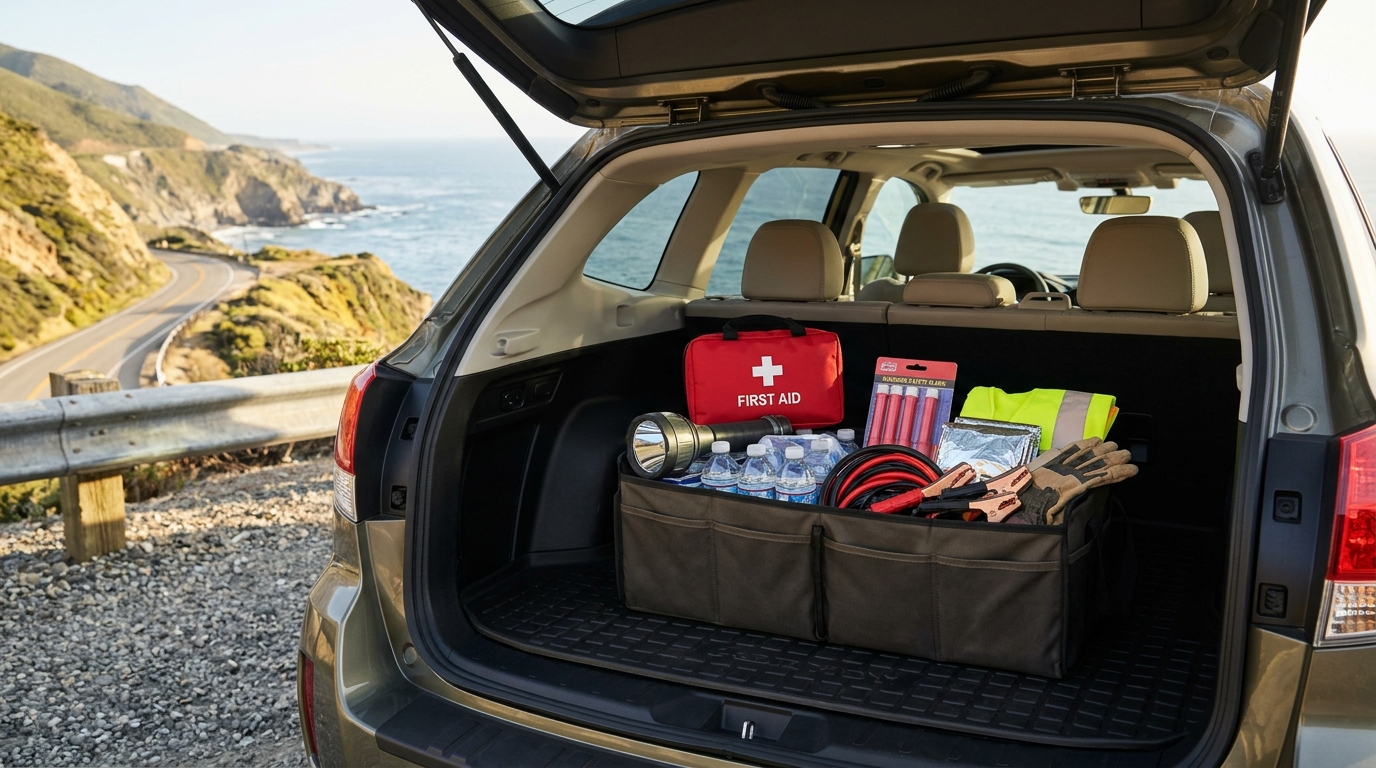
Carry Basic Travel Supplies
Keep drinking water, snacks, a first-aid kit, a flashlight, a phone charger,
and other useful supplies in your vehicle. For longer trips, consider
additional items appropriate for the route, season, and distance from
services.
Make sure your vehicle is in suitable condition for the journey. Check tires,
lights, fluid levels, and fuel before traveling long distances or entering
remote areas.
Share Your Travel Plans
If you are visiting a remote destination or planning an outdoor activity, let
someone know where you are going and when you expect to return. This can be
especially useful when traveling through areas with limited mobile coverage.
For hiking, camping, and other outdoor activities, research the destination’s
rules, conditions, and safety recommendations before departure.
unfamiliar or remote areas.
Finding Reliable Emergency Information
Access to accurate information is essential during an emergency. California
residents and visitors should know which official sources provide alerts,
evacuation information, weather updates, and public safety instructions.
Use Official Emergency Alert Systems
Wireless Emergency Alerts and other public notification systems may deliver
important warnings directly to compatible mobile devices. Local authorities
may also provide alerts through emergency notification services, official
websites, and public announcements.
Find out which alert services are used by your city or county and understand
how to register for notifications where required.
Follow Local Emergency Management Agencies
City and county emergency management offices often publish information about
evacuation procedures, emergency shelters, disaster preparation, and local
response activities.
Bookmark relevant official websites before an emergency occurs so you can
access important information more quickly when needed.
Monitor Weather and Road Conditions
Weather and transportation information can help you make safer decisions
during storms, wildfires, flooding, and other disruptions. Check official
forecasts and transportation updates before traveling and avoid routes
affected by dangerous conditions.
Important Safety Practices During an Emergency
Preparedness also involves knowing how to respond when an emergency actually
occurs. The correct action depends on the situation, but several general
practices can help protect people and reduce unnecessary risks.
-
Follow official instructions: Pay attention to evacuation
orders, shelter guidance, and public safety announcements. -
Keep communication simple: Use your household communication
plan and avoid spreading unverified information. -
Protect essential supplies: Keep emergency kits accessible
and use stored resources responsibly. -
Avoid hazardous areas: Stay away from downed power lines,
floodwater, active fire zones, and damaged structures. -
Assist others when safe: Consider the needs of children,
older adults, people with disabilities, and neighbors who may require
additional assistance. -
Contact emergency services when necessary: Call 911 for
immediate situations requiring police, fire, or medical assistance.
Reviewing and Updating Your Preparedness Plan
Emergency plans should be reviewed regularly rather than created once and
forgotten. Household needs can change, emergency contacts may become outdated,
and supplies may expire.
Check your emergency kit periodically, replace used or expired items, review
important documents, and make sure household members still understand the
plan. Revisit evacuation routes and local alert services when moving to a new
community or when local conditions change.
Preparedness is an ongoing process. Small updates can make a meaningful
difference when an unexpected situation occurs.
Build Better Emergency Preparedness with Golden State Direct
California offers many opportunities to explore, live, and work, but
understanding local hazards and preparing for unexpected events are important
parts of staying safe. Whether you are at home, commuting, or visiting a new
destination, a practical emergency plan can help you respond more confidently.
Start by identifying the risks in your area, organizing essential supplies,
and learning where to find official emergency information. Continue exploring
Golden State Direct for more California safety guides, community information,
travel resources, and practical advice for navigating the Golden State.