
A road trip is one of the most flexible ways to experience California. With
its varied landscapes, scenic highways, coastal communities, mountain
destinations, and charming towns, the state offers countless opportunities for
memorable drives. Whether you are planning a weekend getaway or a longer
journey across several regions, traveling by car allows you to explore places
at your own pace.
However, a successful road trip involves more than choosing a destination and
getting behind the wheel. Route planning, travel time, road conditions,
available services, and personal safety all play important roles.
Understanding these details can help make your journey more comfortable and
enjoyable.
This guide covers practical considerations for planning a California road
trip, from selecting a route and organizing stops to preparing your vehicle
and staying aware of changing travel conditions.
Choosing a Scenic Route in California
California has several types of scenic routes, each offering a different
travel experience. Your choice will depend on your interests, available time,
starting location, and preferred driving environment.
Coastal Highways and Ocean Views
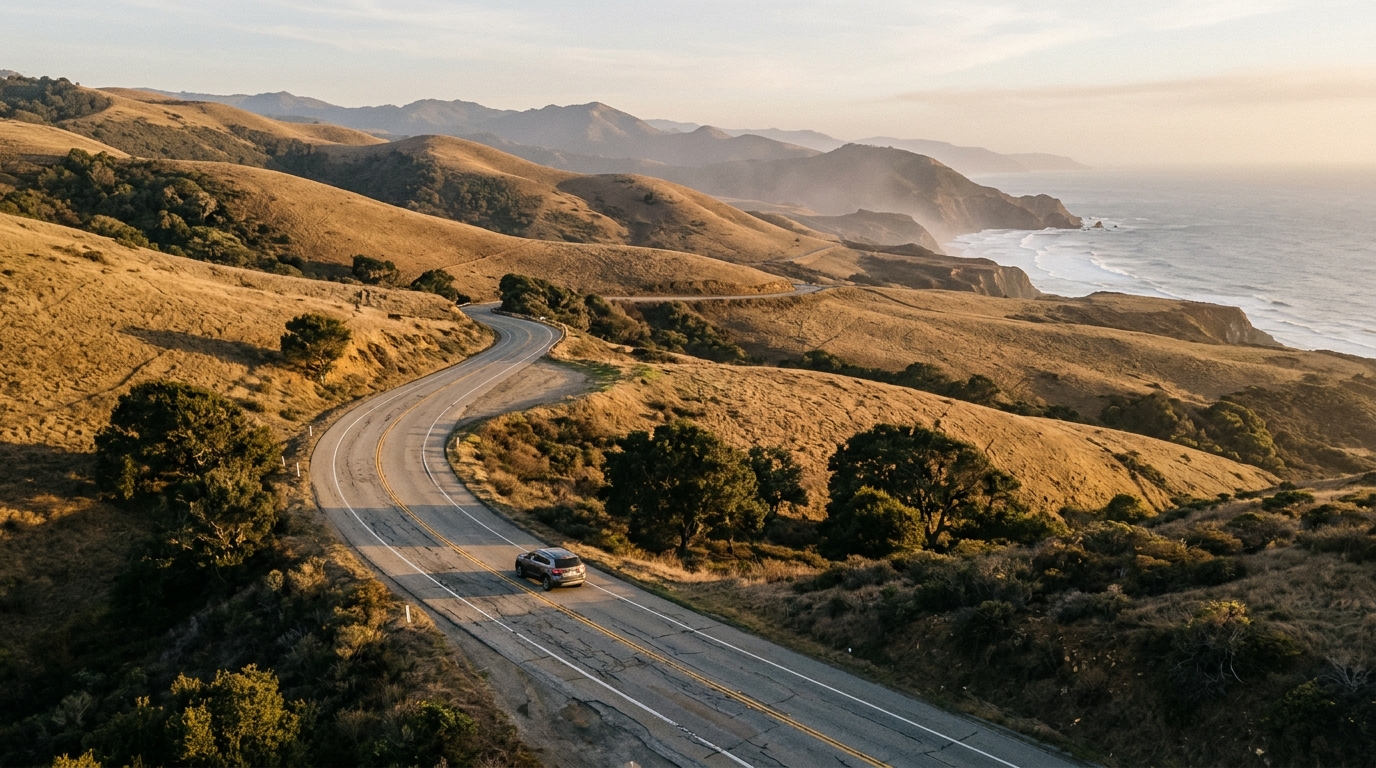
Coastal routes are popular among travelers who enjoy ocean scenery, beach
communities, and viewpoints overlooking the Pacific. These drives can include
opportunities to visit seaside towns, stop at designated viewpoints, and
explore nearby attractions.
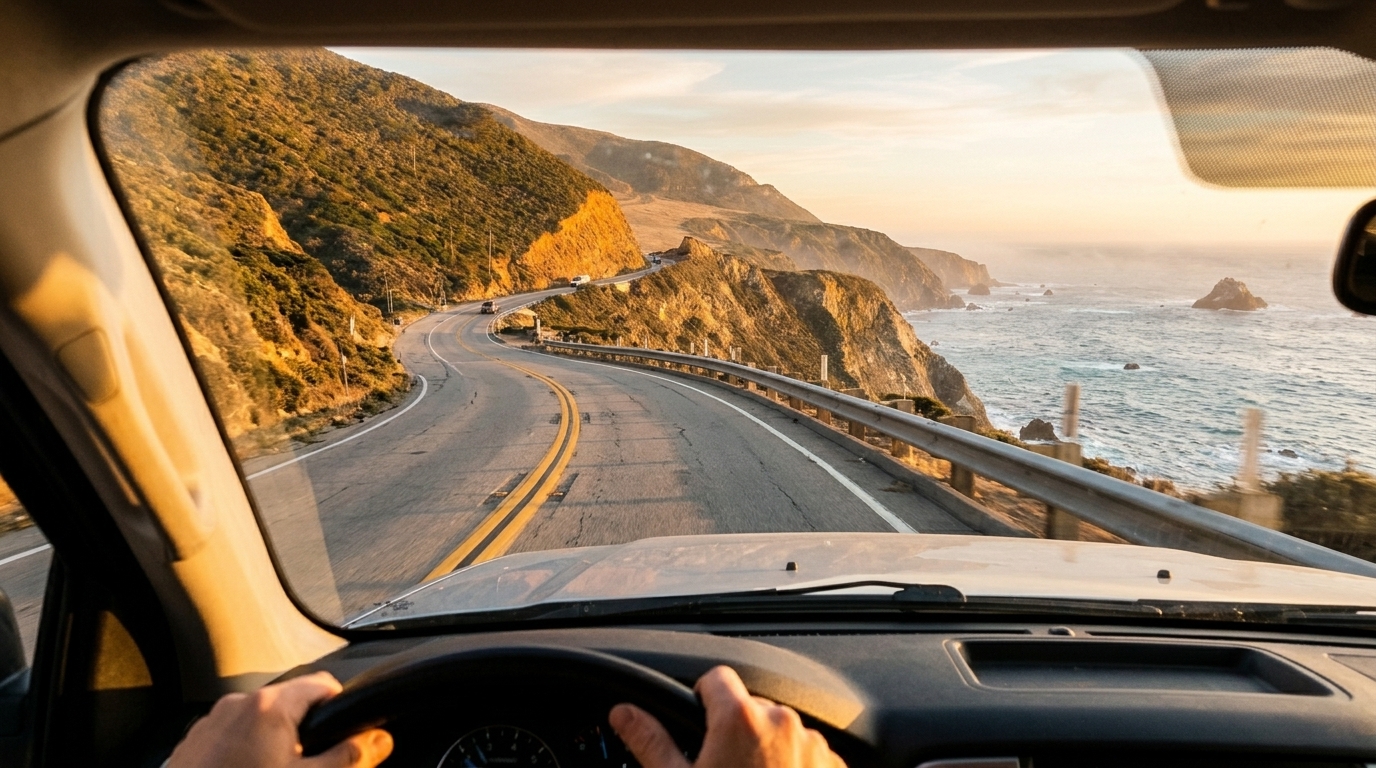
Some coastal roads feature winding sections, narrow lanes, and changing
elevation. Drivers should remain attentive, observe posted speed limits, and
use designated areas when stopping to enjoy the scenery. Avoid stopping along
the roadway simply to take photographs.
Mountain Roads and Natural Landscapes
Mountain routes provide a different kind of experience, with forested areas,
elevated viewpoints, lakes, and dramatic changes in scenery. Depending on the
destination and season, travelers may encounter cooler temperatures, steep
grades, narrow roads, or changing weather conditions.
Before heading into mountainous areas, check road conditions and seasonal
restrictions. Some routes may experience closures or require additional
preparation during winter and periods of severe weather.
Small Towns and Countryside Drives
Driving through California’s smaller communities and countryside can offer a
slower-paced way to discover local attractions, independent businesses,
historic districts, and regional landscapes. These destinations can also
provide convenient opportunities to take breaks during longer journeys.
When planning stops in smaller communities, consider available parking, fuel
stations, dining options, and operating hours. Services may be more limited in
rural areas than in major cities.
and seaside communities.
Planning Your Route and Travel Schedule
A realistic travel schedule helps you make the most of your road trip without
creating unnecessary pressure. Although a route may appear short on a map,
actual travel time can be affected by traffic, road design, weather,
construction, and planned stops.
Estimate Driving Time
Use a reliable navigation service to estimate driving time between
destinations. Remember that these estimates may change throughout the day,
especially around major metropolitan areas and popular tourist destinations.
For longer journeys, avoid planning an itinerary that requires continuous
driving for several hours without breaks. Allow additional time for meals,
rest stops, fuel, unexpected delays, and sightseeing.
Identify Stops Along the Way
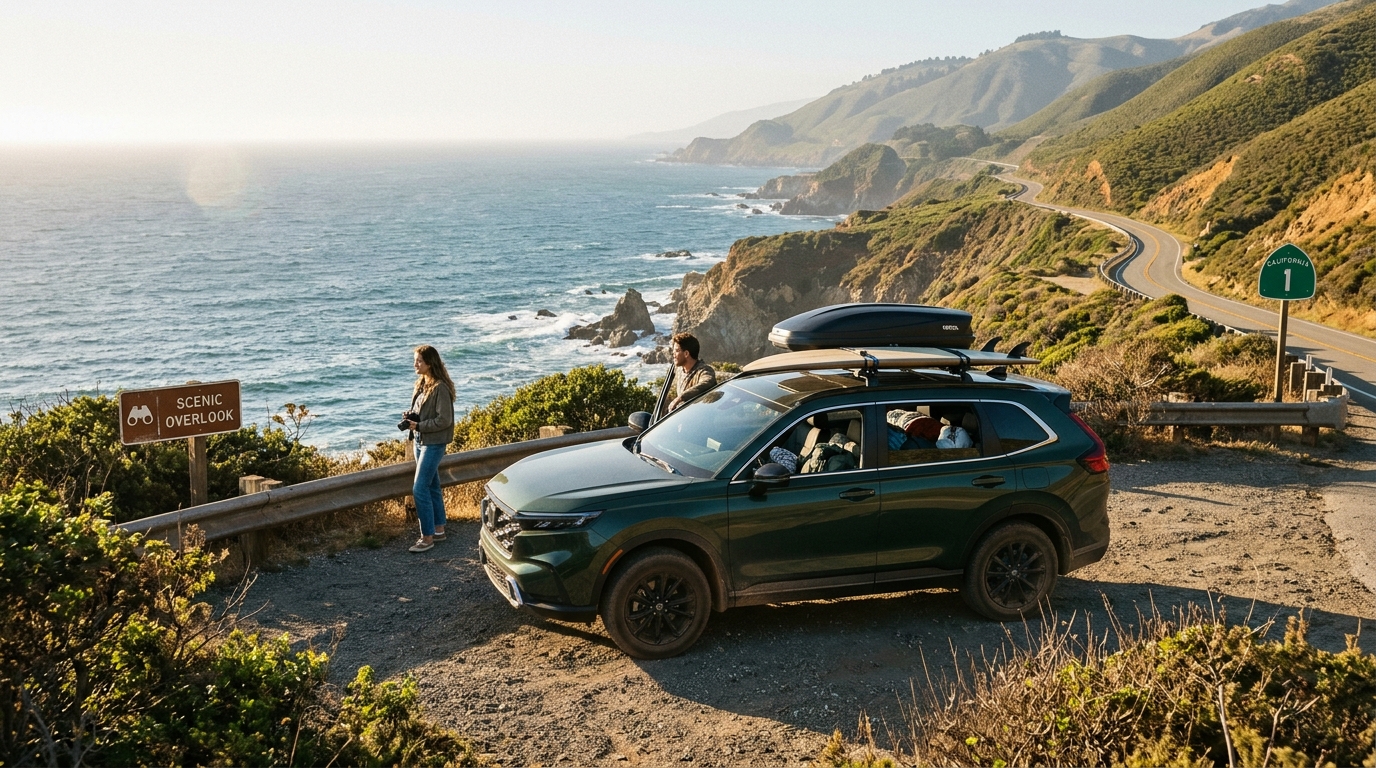
Plan convenient places to stop before beginning your journey. Rest areas,
visitor centers, public facilities, restaurants, and designated scenic
viewpoints can make a long drive more manageable.
It is also helpful to identify fuel stations along your route, particularly
when traveling through remote areas. Do not assume that every stretch of
highway will have nearby services.
Keep Your Itinerary Flexible
Even a carefully planned road trip can change because of traffic, weather,
road closures, or unexpected circumstances. Leave some flexibility in your
schedule so you can adjust your plans without rushing.
If a destination becomes difficult to reach or conditions are unsuitable,
consider an alternative stop or route. A flexible itinerary can help reduce
stress and encourage safer travel decisions.
Preparing Your Vehicle Before Departure
Your vehicle plays an important role in the comfort and reliability of a road
trip. Before leaving, take time to check its general condition and address any
maintenance concerns.
Check Essential Vehicle Components
Inspect your tires for proper inflation and visible damage. Check that
headlights, brake lights, turn signals, windshield wipers, and other essential
systems are working properly. Make sure your vehicle has adequate engine oil,
coolant, and other necessary fluids.
If your vehicle is due for maintenance or has unresolved mechanical problems,
consider having it inspected by a qualified professional before beginning a
long journey.
Prepare an Emergency Kit
Consider carrying basic emergency supplies, including drinking water, a
first-aid kit, a flashlight, a phone charger, a portable power bank, and
essential vehicle equipment. A roadside emergency kit can also be useful if
you experience a breakdown or unexpected delay.
Keep important items accessible and make sure passengers know where emergency
supplies are stored.
Organize Your Belongings
Pack luggage and other belongings securely so they do not move around while
driving. Avoid placing loose objects where they could interfere with the
driver or become hazardous during sudden braking.
Keep navigation devices and phones positioned safely. Drivers should avoid
handling electronic devices while the vehicle is moving and should use
appropriate hands-free options where permitted.
Understanding Road Conditions and Travel Safety
California’s road conditions can vary considerably depending on location,
season, and weather. A route that is comfortable in clear weather may become
more challenging during heavy rain, strong winds, fog, or other adverse
conditions.
Check Traffic and Road Updates
Before departure, review current traffic information, construction notices,
and road closure updates. Official transportation resources can help you
identify disruptions and prepare for possible changes to your route.
During the trip, use a passenger to monitor navigation when possible. If you
are driving alone, pull over in a safe and permitted location before reviewing
directions or making significant changes to your route.
Adjust to Weather Conditions
Weather can affect visibility, traction, and driving conditions. Rain may make
road surfaces slippery, fog can reduce visibility, and mountain destinations
may experience snow or ice during colder periods.
Reduce your speed when conditions require it, maintain a safe following
distance, and use appropriate vehicle lighting. If conditions become unsafe,
consider delaying travel or finding a suitable place to wait.
Take Regular Rest Breaks
Long periods behind the wheel can lead to fatigue and reduced concentration.
Plan regular breaks, especially during extended drives, and avoid continuing
when you feel sleepy or distracted.
Drivers should never rely on caffeine or open windows as substitutes for
adequate rest. If you feel too tired to continue safely, stop at an
appropriate location and rest before resuming the journey.
more manageable.
Making the Most of Your Road Trip Stops
One advantage of traveling by car is the opportunity to explore places between
your main destinations. A well-planned stop can turn a simple drive into a
more rewarding travel experience.
Explore Local Attractions
Look for parks, historic sites, museums, scenic viewpoints, and other
attractions along your route. These stops can help you learn more about the
communities and landscapes you pass through.
Check visitor information before arriving, particularly when an attraction has
admission requirements, limited access, seasonal schedules, or parking
restrictions.
Support Local Businesses
Small towns and local communities often have independent restaurants, shops,
markets, and other businesses worth discovering. Taking time to explore these
places can add variety to your trip while giving you a better sense of the
area.
Research available services ahead of time, especially if you are traveling
outside major population centers.
Respect Local Rules and Natural Areas
When visiting parks, beaches, viewpoints, and other public spaces, follow
posted rules and use designated parking and walking areas. Avoid leaving trash
behind, disturbing wildlife, or entering restricted locations.
Responsible travel helps protect the places that make California road trips
enjoyable for future visitors.
Common Road Trip Planning Mistakes to Avoid
Even a short road trip can become inconvenient when important details are
overlooked. Consider these common mistakes before finalizing your plans:
-
Underestimating travel time: Allow for traffic, stops, road
conditions, and unexpected delays. -
Ignoring vehicle maintenance: Check your vehicle before
departure rather than waiting for a problem to occur. -
Planning too many destinations: Choose a manageable number
of stops so you have enough time to enjoy each place. -
Overlooking fuel availability: Identify fuel stations
before traveling through remote areas. -
Driving while tired: Schedule rest breaks and stop when you
are no longer comfortable driving. -
Failing to check local conditions: Review traffic, weather,
closures, and access information before setting out.
Creating a More Enjoyable California Road Trip
A memorable road trip does not necessarily require an elaborate itinerary or a
long list of destinations. Sometimes the best journeys are those that balance
interesting stops with enough time to travel comfortably.
Start by choosing a route that matches your interests and available schedule.
Research the places you want to visit, prepare your vehicle, and identify
useful services along the way. Keep your plans flexible and make safety a
priority throughout the journey.
Whether you prefer coastal scenery, mountain landscapes, small-town
discoveries, or drives through California’s major regions, thoughtful
preparation can help you enjoy the experience with greater confidence.
Start Planning Your Next California Road Trip
California offers a wide range of road trip opportunities, from scenic coastal
highways to routes through mountains, valleys, and distinctive local
communities. Each journey provides a chance to discover new places and
experience a different side of the Golden State.
With a practical route, a well-prepared vehicle, and an awareness of changing
travel conditions, you can make your next drive more organized and enjoyable.
Continue exploring Golden State Direct for more California travel ideas,
destination information, and helpful guides for navigating the state.