

California is home to hundreds of cities, towns, and communities, each
offering its own character, amenities, attractions, and everyday experiences.
From bustling urban centers and coastal communities to suburban neighborhoods
and smaller inland towns, the Golden State offers a wide range of places to
explore and get to know.
Visiting a new community can be more enjoyable when you understand what to
expect before arriving. Knowing where to find transportation, public
facilities, local businesses, recreational areas, and useful services can make
navigating unfamiliar surroundings much easier. Whether you’re planning a
visit, considering a move, or simply exploring California, taking time to
learn about different communities can help you make more informed decisions.
California Communities Have Different Characteristics
One of the things that makes California interesting is the variety of
communities found throughout the state. Each area has its own landscape,
development patterns, lifestyle, attractions, and available resources. Some
communities are centered around major commercial districts, while others are
known for residential neighborhoods, outdoor recreation, historic character,
or proximity to the coast.
Urban Centers and Downtown Districts
California’s larger cities often feature busy downtown districts, commercial
areas, entertainment venues, cultural attractions, office buildings,
restaurants, and public transportation connections. These areas can offer
convenient access to a wide variety of services and activities, making them
attractive to visitors who want to experience city life.
However, urban environments can also involve heavy traffic, parking
limitations, busy pedestrian areas, and differences in conditions from one
neighborhood to another. Before visiting, it can be helpful to identify your
destination, review parking options, understand nearby transit connections,
and familiarize yourself with the surrounding area.
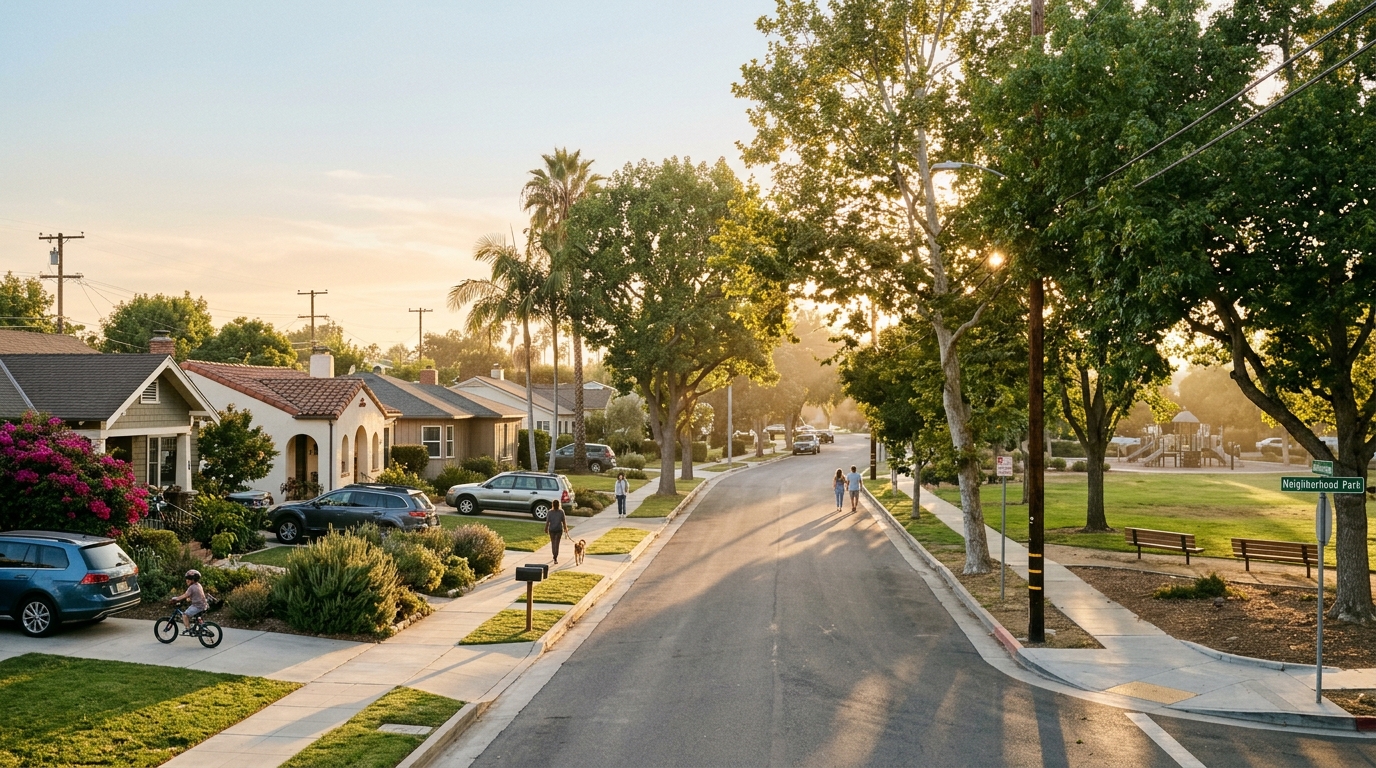
Suburban Neighborhoods
Suburban communities often combine residential areas with shopping centers,
schools, parks, recreational facilities, restaurants, and other everyday
amenities. Depending on the location, some neighborhoods may offer convenient
access to major roadways and nearby employment centers, while others may
require a vehicle for most daily activities.
When exploring suburban areas, consider the location of essential services,
available transportation, walking routes, public spaces, and nearby commercial
establishments. Understanding the layout of a community can help you identify
convenient places to visit and make it easier to navigate your surroundings.
Coastal Communities and Small Towns
California’s coastal communities and smaller towns often offer a different
atmosphere from major metropolitan areas. Some feature scenic waterfronts,
historic downtowns, local shops, community gathering spaces, and access to
beaches or outdoor recreation.
These places can be enjoyable for day trips, weekend visits, and relaxed
exploration. However, smaller communities may have fewer public transportation
options, limited parking in popular areas, or fewer services available outside
regular business hours. Checking local information before visiting can help
you plan accordingly.
Understanding Local Services and Amenities
Local services and amenities can play an important role in determining how
convenient and accessible a community is for residents and visitors. While the
services available vary from one area to another, many California communities
provide a range of facilities and resources that support everyday needs.
Public Facilities and Community Resources
Public facilities are important parts of many communities. Libraries, parks,
community centers, public recreation facilities, government offices, and other
shared spaces can provide useful services and opportunities for residents and
visitors alike.
These facilities may offer educational programs, recreational activities,
community events, public information, meeting spaces, or other services. If
you plan to use a particular facility, check its official website for
operating hours, available programs, eligibility requirements, accessibility
details, and any applicable rules.
Shopping Areas and Everyday Conveniences
Shopping districts, grocery stores, pharmacies, restaurants, service
businesses, and other commercial establishments can make a community easier to
navigate. Some neighborhoods have concentrated commercial areas within walking
distance, while others have shopping centers located along major roads or
accessible primarily by car.
When visiting an unfamiliar area, identifying nearby stores, dining options,
parking locations, and other useful establishments can help you plan your
activities more efficiently. Online directories and local business listings
can be helpful starting points, although it is always advisable to verify
business hours and service availability directly.

character and everyday conveniences of California neighborhoods.
Transportation and Getting Around
Transportation options can differ significantly depending on the community.
Major cities may offer extensive bus, rail, or other transit services, while
suburban neighborhoods and smaller towns may have limited public
transportation coverage. Understanding how to get around before arriving can
help you save time and plan your activities more effectively.
Public Transportation Options
Many California communities have public transportation services that connect
residential areas with downtown districts, commercial centers, educational
institutions, employment areas, and major destinations. Depending on the
region, transportation options may include local buses, commuter rail, rapid
transit, light rail, or regional transit services.
Before relying on public transportation, review the available routes,
schedules, fare information, service hours, transfer points, and accessibility
features. Some routes may operate less frequently during evenings, weekends,
or holidays, so planning ahead can help prevent unnecessary delays.
Driving, Parking, and Road Access
Driving remains an important way of getting around many parts of California,
particularly communities with limited public transportation. Major highways
and local roads connect cities, residential areas, shopping centers,
recreation areas, and other destinations.
Parking availability can vary depending on the location. Downtown districts,
popular attractions, commercial areas, and event venues may have limited
spaces, parking fees, time restrictions, or permit requirements. Review
parking information in advance and allow extra time when traveling through
unfamiliar areas.
Walking and Neighborhood Accessibility
Some California communities are easier to explore on foot than others. Areas
with sidewalks, pedestrian crossings, nearby businesses, public spaces, and
well-connected streets may provide convenient walking opportunities. However,
distances between destinations, road conditions, hills, weather, and
pedestrian infrastructure can affect how practical walking is.
When exploring a neighborhood, use designated sidewalks and crossings whenever
available, pay attention to traffic, and familiarize yourself with the route.
If you’re visiting an unfamiliar area, planning your walking route ahead of
time can make the experience more comfortable.
Researching a Community Before Visiting
Learning about a community before arriving can help you make better use of
your time and avoid unnecessary inconveniences. Even a little preparation can
help you identify places worth visiting, understand transportation options,
and locate services that may be useful during your stay.
Identify the Places You Want to Visit
Start by listing the destinations, attractions, businesses, or facilities you
plan to visit. Review their locations and determine how far apart they are. If
you have several destinations in mind, grouping nearby places together can
help you create a more practical itinerary.
Look for information about opening hours, admission requirements, reservation
policies, parking, accessibility, and any restrictions that may affect your
visit. Official websites are generally the best place to confirm important
details before traveling.
Check Local Information and Conditions
Local conditions can affect your plans, particularly when traveling to busy
commercial districts, outdoor destinations, coastal areas, or communities
affected by seasonal weather. Traffic, road closures, construction, events,
and changing conditions may influence travel times and accessibility.
Check updated information before leaving and remain flexible if circumstances
change. Having alternative destinations or routes in mind can be useful when
your original plans are affected.
Consider Safety and Your Surroundings
Every community has different conditions, and it’s helpful to remain aware of
your surroundings when visiting unfamiliar places. Pay attention to posted
signs, local guidance, traffic conditions, lighting, pedestrian access, and
any restrictions in public areas.
Keep personal belongings secure, avoid leaving valuables visible inside
vehicles, and be mindful when walking in unfamiliar areas, particularly after
dark. If you need assistance, identify nearby public facilities or appropriate
local resources where you can seek help.
visitors navigate unfamiliar California communities more confidently.
Finding Useful Local Information
There are many ways to learn about California communities and the resources
they offer. Online maps, local government websites, public transportation
websites, tourism resources, business directories, and community information
pages can all help you understand a particular area.
Use Official Websites When Possible
City and county websites can provide information about public services,
community facilities, local programs, public notices, recreation, and other
resources. Transportation agencies can provide route information, schedules,
fare details, and service alerts, while official attraction websites can help
you confirm visitor requirements and operating details.
Using official sources is particularly important when looking for emergency
information, government services, transportation updates, permits, public
access restrictions, or information that may change frequently.
Explore Local Directories and Community Guides
Directories and community guides can help you discover businesses,
attractions, facilities, and services within a particular area. They can also
provide a useful overview of a community and help you identify places that may
be relevant to your interests.
When using directory listings, confirm important information such as business
addresses, operating hours, contact details, availability, and service
descriptions directly with the provider. Listings may not always reflect
recent changes.
Making the Most of Your Visit
Exploring a California community is often more enjoyable when you balance
planning with flexibility. Knowing where you’re going and how to get there can
help you avoid unnecessary stress, while leaving time to explore local
streets, discover interesting places, and enjoy experiences you may not have
planned.
Consider starting with a few main destinations rather than trying to visit
everything at once. Allow time for meals, rest stops, transportation, parking,
and unexpected delays. If you’re visiting a busy city, be prepared for traffic
and changing parking conditions. If you’re exploring a smaller community,
check the availability of services before assuming everything will be open or
nearby.
Respect local communities, follow posted rules, use public facilities
responsibly, and be considerate of residents and other visitors. Thoughtful
planning and awareness can help make your experience more enjoyable while
supporting responsible exploration.
Discover More of California’s Communities
California’s cities, neighborhoods, and smaller communities offer a wide range
of destinations, resources, and experiences. From busy commercial districts
and urban attractions to quiet residential areas and coastal towns, each place
has its own characteristics and opportunities to discover.
Learning about local amenities, transportation, public facilities, services,
and community features can help you better understand an area before visiting.
Whether you’re planning a day trip, exploring a new neighborhood, or simply
looking for useful local information, researching your destination can make a
meaningful difference.
Golden State Direct brings together California destination information,
practical guides, and local resources to help you explore the Golden State
with greater confidence. Take time to discover different communities, learn
what they offer, and find places that make your California experience
worthwhile.